
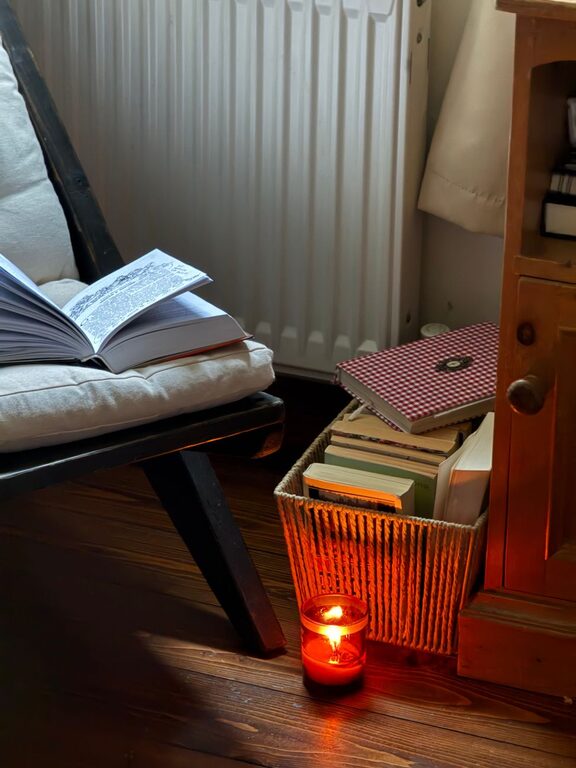
Creating a cozy reading nook in your home is a wonderful way to carve out a personal sanctuary for relaxation and enjoyment. Whether you have a large spare room or just a small corner, a reading nook can be tailored to fit your space and style. This guide offers practical tips to help you design a comfortable and inviting spot dedicated solely to your love of books.
Choose the Perfect Location
The first step in creating a reading nook is selecting the right spot. Look for a quiet corner or area in your home that receives natural light. Near a window is ideal because sunlight makes reading easier and creates a warm atmosphere.
If space is limited, consider unused nooks under the stairs, beside a bookshelf, or even an alcove near a doorway. The goal is to find a place where you can escape from distractions and enjoy uninterrupted reading time.
Invest in Comfortable Seating
Comfort is key when building a reading nook. Your seating choice should support long reading sessions without discomfort.
– Armchairs: A plush armchair with soft upholstery and a supportive back is a classic choice.
– Window Seats: If you have a built-in window ledge, add some cushions and a throw blanket to turn it into a cozy bench.
– Bean Bags or Floor Cushions: For a casual, flexible option, large bean bags or stacked floor cushions can work well in smaller spaces.
– Chaise Lounges: These provide an elongated seat for stretching out comfortably while reading.
Remember to add soft pillows to enhance comfort and support.
Create Inviting Lighting
Proper lighting makes your reading nook practical and cozy. Natural light is preferable during the day, but for evening reading, you’ll need a good light source.
– Task Lighting: A focused reading lamp or adjustable floor lamp helps reduce eye strain.
– Ambient Lighting: Soft, warm-toned lamps or string lights create a relaxing and inviting environment.
– Dimmable Options: Lamps with dimmers allow you to adjust brightness according to your mood and time of day.
Avoid harsh overhead lighting that can feel clinical; instead, aim for soft, warm light that complements your space.
Add Personal Touches
Personalizing your reading nook makes it a joy to spend time there. Consider adding:
– Bookshelves: Keep your favorite books well-organized and close at hand.
– Artwork: Hang art pieces or posters that inspire or calm you.
– Plants: Small indoor plants bring life and freshness to the area.
– Cozy Textiles: Soft throws, quilts, and rugs add texture and warmth to the space.
– Favorite Trinkets: Including sentimental items can make the nook feel truly yours.
Maximize Functionality with Storage
Keeping your reading nook neat and clutter-free supports relaxation.
– Use small shelves or baskets to store books and magazines.
– A side table or small cart can hold a cup of tea, bookmarks, or reading glasses.
– Storage ottomans offer a dual purpose: extra seating and hidden storage.
Having everything organized and within reach helps maintain the peaceful vibe of your nook.
Incorporate Calming Colors
Color plays a big role in creating a relaxing atmosphere.
– Opt for soft, muted tones such as pastels, earth tones, or warm neutrals.
– Avoid overly bright or bold colors that might be distracting.
– Use contrasting colors in small doses through pillows or accessories to add interest without overwhelming the space.
Your color choices should be soothing and inviting, helping your mind settle for focused reading.
Pay Attention to Acoustics
A quiet environment enhances concentration and relaxation. If your nook is in a noisy part of the home, consider ways to reduce sound:
– Use thick curtains or drapes at the window.
– Add rugs and cushions to absorb noise.
– Consider a white noise machine or calming background music if external sounds are unavoidable.
Creating a sound-friendly zone will allow you to enjoy your books without disturbance.
Make it Adaptable
While the goal is to create a dedicated reading space, flexibility can be helpful, especially in multi-use rooms.
– Choose lightweight furniture that can be easily moved.
– Use modular shelving or storage that can be reconfigured.
– Incorporate foldable or stackable elements to adjust the nook as needed.
Being able to adapt your reading nook helps it stay functional and enjoyable over time.
—
By combining these tips, you can create a cozy reading nook tailored to your preferences and space. Whether it’s a quiet corner bathed in sunlight or a softly lit nook filled with your favorite books, this personal retreat offers a perfect escape from the everyday hustle. Set aside some time to craft your ideal reading spot—you’ll appreciate the comfort and peace it brings to your home. Happy reading!
