
Creating a home workspace that feels both relaxing and productive is key to maintaining focus and enthusiasm during your workday. Whether you work remotely full-time or occasionally take your office tasks home, setting up a comfortable and peaceful environment can greatly improve your output. Here are practical tips to help you design a home workspace that promotes relaxation and boosts productivity.
Choose the Right Location
One of the first steps in creating your home workspace is selecting a spot that minimizes distractions. Ideally, pick a quiet corner or room with enough space for your desk and chair. Natural light is a bonus, as it can improve mood and reduce eye strain. Avoid high-traffic areas or places where family members often gather.
Consider Your Commute Within the Home
Even a short walk to your workspace can help signal to your brain that it’s time to work. A dedicated area separate from your bedroom or living room helps maintain a healthy work-life balance.
Invest in Comfortable Furniture
Your workspace should support good posture and comfort to prevent fatigue and discomfort.
– Ergonomic Chair: Choose a chair with adjustable height and lumbar support.
– Desk: Select a desk that fits your space and allows you to work without hunching.
– Footrest: If your feet don’t rest flat on the floor, consider a footrest to improve circulation.
Comfortable furniture encourages you to stay focused longer and reduces the physical strain of long working hours.
Keep Your Space Organized
An orderly workspace can clear your mind and reduce stress.
– Storage Solutions: Use shelves, drawers, or filing cabinets to store documents and supplies.
– Declutter Daily: Spend a few minutes tidying up at the end of each day.
– Cable Management: Use clips or ties to keep cords neat and out of sight.
Having everything you need within reach but not scattered around can boost efficiency.
Use Soothing Colors and Decor
Colors can impact your mood and concentration.
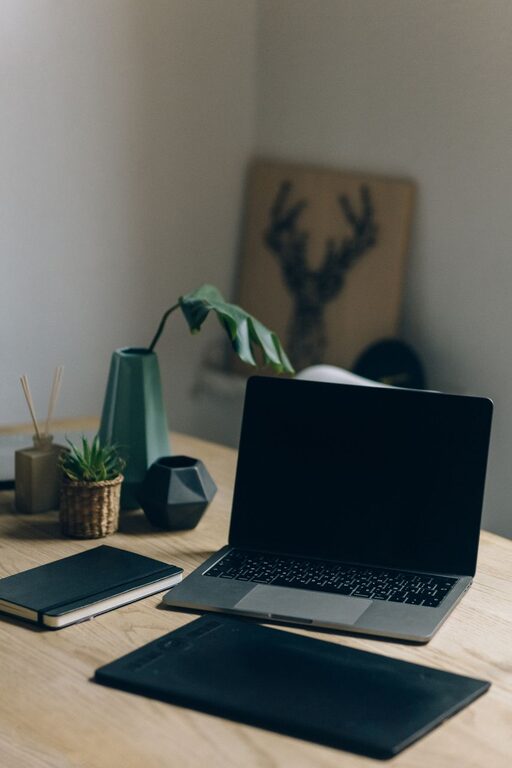
– Choose Calm Colors: Soft blues, greens, or neutral tones tend to be relaxing.
– Add Plants: Indoor plants can improve air quality and bring a touch of nature indoors.
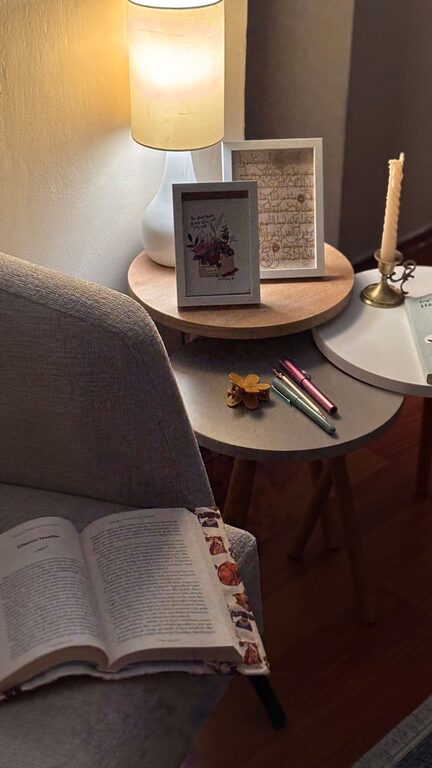
– Personal Touches: Include artwork or items that make you feel calm but avoid overdecorating.
A visually pleasing space can make work feel less like a chore.
Control Lighting and Reduce Glare
Good lighting is crucial for both comfort and focus.
– Natural Light: Position your desk near a window if possible.
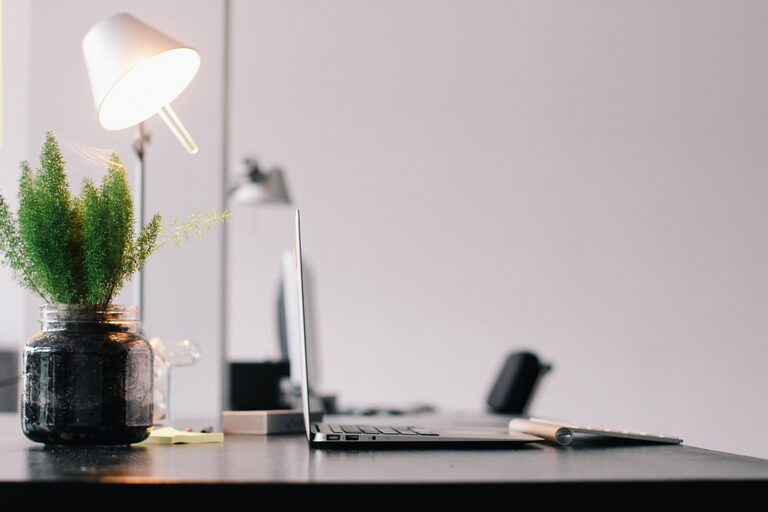
– Task Lighting: Use adjustable desk lamps for focused lighting.
– Screen Position: Position your monitor to avoid glare from windows or overhead lights.
Proper lighting reduces eye strain and fatigue, making it easier to concentrate.
Minimize Noise Distractions
Noise can disrupt your work flow, so find ways to manage it.
– Quiet Space: Opt for a room away from noisy appliances or street sounds.
– Noise-Canceling Headphones: Use them to block out distractions or listen to calming tunes.
– White Noise Machines: Consider devices or apps that create soothing background sounds.
A quieter environment sets the stage for deep focus.
Establish a Routine
A relaxing workspace is only effective if you use it consistently.
– Set Working Hours: Decide when you’ll start and end your workday.
– Take Breaks: Stand up, stretch, or take short walks to clear your mind.
– Limit Multitasking: Focus on one task at a time to enhance productivity.
Routine helps your brain associate the space with work, improving motivation.
Incorporate Relaxation Elements
Adding features that encourage short relaxation breaks can make long work hours easier.
– Essential Oil Diffuser: Use calming scents like lavender or eucalyptus.
– Comfort Items: Keep a cozy blanket or stress ball nearby.
– Meditation Corner: Reserve a small area for quick mindfulness sessions.
These elements help reduce stress and replenish mental energy.
—
Final Thoughts
Creating a relaxing home workspace doesn’t require a complete overhaul or expensive items. By choosing the right location, investing in comfortable furniture, organizing effectively, and personalizing your environment with calming colors and decor, you can build a space that supports both relaxation and high productivity. Remember to manage lighting and noise, establish a routine, and make time for short breaks to maintain your well-being throughout the day. With these tips, working from home becomes a more enjoyable and productive experience.

Related Posts