
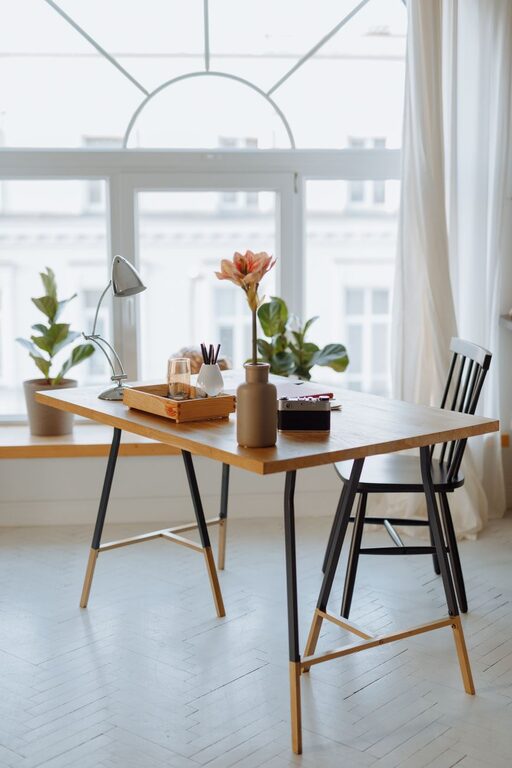
Creating a cozy and functional home office is essential for anyone working from home or needing a dedicated space for personal projects. A well-designed workspace not only helps you stay organized but also encourages productivity and enhances your overall well-being. In this post, we’ll explore practical tips and ideas for transforming any corner or room into an inviting, efficient home office.
1. Choose the Right Location
Selecting the ideal spot for your home office is the first step. Consider a quiet area with minimal distractions—this could be a spare room, a section of the living room, or even a cozy nook by a window.
– Prioritize natural light to reduce eye strain and boost mood.
– If possible, separate your workspace from high-traffic or noisy parts of your home.
– Ensure there’s enough space for your desk, chair, and storage needs.
2. Invest in Comfortable and Supportive Furniture
Comfort is key when spending hours at your desk. An ergonomic chair and a desk at the right height will prevent discomfort and improve focus.
– Look for chairs with adjustable height and lumbar support.
– Choose a desk that fits your needs — whether a standing desk, L-shaped, or a simple compact model.
– Add a footrest if your feet don’t comfortably reach the floor.
3. Optimize Lighting
Good lighting can make a significant difference in your workspace ambiance and productivity.
– Use a combination of natural and artificial lighting.
– Position your desk near a window to leverage daylight.
– Add task lighting, like a desk lamp with adjustable brightness to reduce strain during evening work.
– Avoid glare on screens by arranging your monitor perpendicular to windows.
4. Keep It Organized and Clutter-Free
A tidy workspace promotes clearer thinking and efficiency.
– Use shelves, drawers, or filing cabinets to store documents and office supplies.
– Consider desk organizers, cable management tools, and baskets for keeping small items in order.
– Regularly declutter to maintain a clean and inviting environment.
5. Personalize Your Space for Comfort and Inspiration
Adding personal touches can make your home office feel cozy and motivating.
– Incorporate plants to add life and improve air quality.
– Hang inspiring artwork or photos.
– Use cozy textiles like cushions or a soft rug to enhance comfort.
– Choose colors that calm you or stimulate creativity, depending on your preference.
6. Make Technology Work for You
Ensure your tech setup supports your work without adding frustration.
– Invest in reliable internet connectivity.
– Arrange your monitor, keyboard, and mouse ergonomically to avoid strain.
– Use wireless peripherals to reduce cable clutter.
– Consider noise-canceling headphones if your environment is noisy.
7. Create Zones for Different Tasks
If space allows, designate areas for different activities like computer work, reading, or brainstorming.
– Use a corkboard or whiteboard for notes and ideas.
– Set up a small table for spreading out papers or holding meetings.
– Changing your physical position can help maintain focus throughout the day.
8. Pay Attention to Acoustics
Noise can be distracting, especially in a busy household.
– Add rugs, curtains, or acoustic panels to soften sound.
– Use a white noise machine or ambient sound apps to mask interruptions.
– Close doors or use room dividers to reduce external noise.
Conclusion
Designing a cozy and functional home office space is about balancing comfort, organization, and personal style. By carefully choosing your location, investing in ergonomic furniture, optimizing lighting, and keeping your workspace organized, you can create an environment that supports your productivity and well-being. Remember, a home office should be a place you enjoy spending time in—so tailor the space to your needs and preferences for the best results.
